Introduction
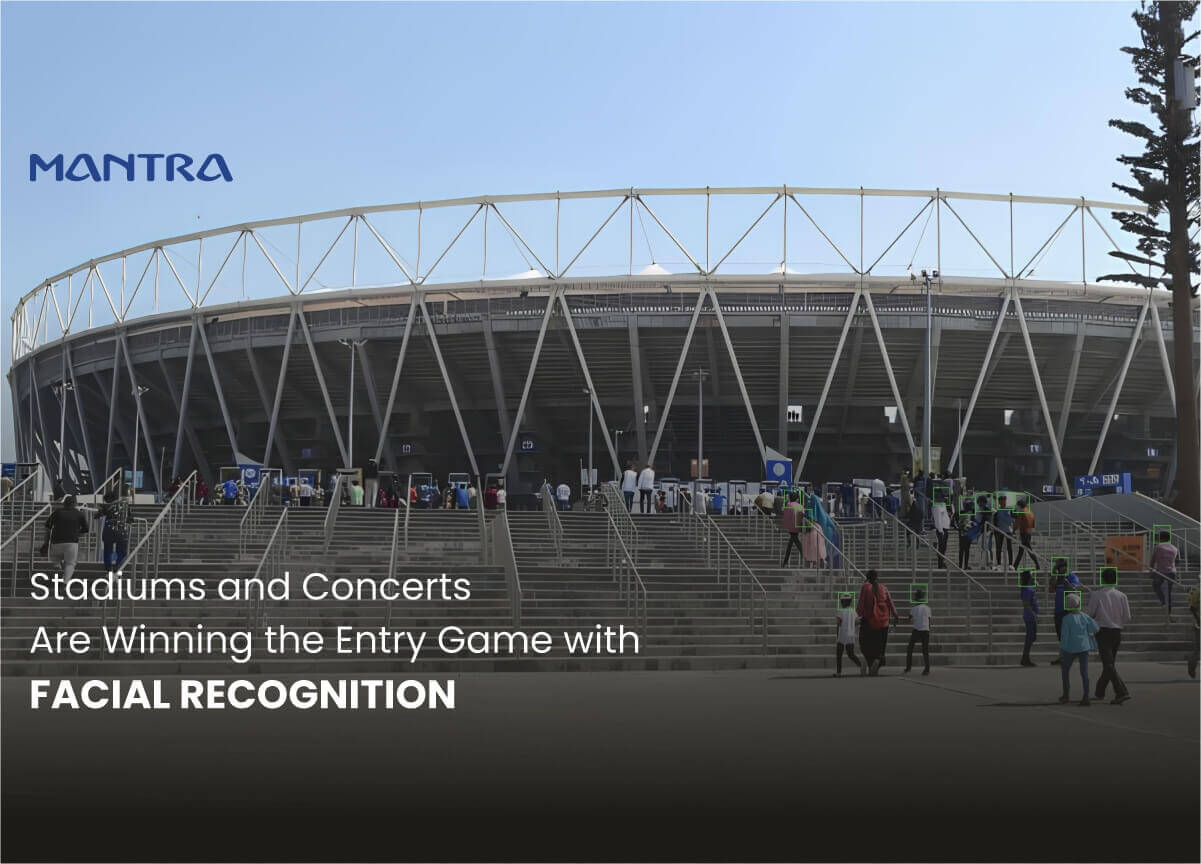
The old ritual of holding up paper tickets, waiting in long queues, or fumbling with QR codes is rapidly fading at stadiums and concert venues. Instead, a new wave of biometric ticketing and facial authentication is reshaping how fans enter, engage, and enjoy live events. What felt like a futuristic concept just a few years ago has become real and for many venues, it’s now the standard. With the shift to facial recognition, ticket scanning, turnstiles, and admission hassles are giving way to instant, contactless, secure entry.
This blog explores why facial recognition is becoming a game-changer for stadiums and concerts, what’s driving the shift now, real-world deployments, benefits, concerns, and what fans and venue operators should watch out for.
Why Facial Recognition Is Taking Over Stadium Entry

Fast, Seamless Entry
Manual ticket scanning and turnstile entry were always bottlenecks in high-attendance events. Facial recognition systems allow fans to walk up, look at a camera, and be verified in milliseconds. According to one report, some venues process thousands of fans per minute using biometric entry which is a dramatic upgrade over manual ticketing.
The use of biometric credentials means there's no need to fuss with phones, QR-codes, or paper tickets. A selfie, linked to a ticket in advance, becomes your pass. This convenience reduces choke-points at gates and helps stadium operators manage crowd flows more efficiently.

Security Upgrades & Fraud Prevention
Unlike paper tickets or digital barcodes that can be forged or transferred, a person’s face is unique and non-transferable. Facial authentication linked to ticket purchase helps prevent fake-ticket sales, scalping, duplicate entries, and unauthorized access.
Some stadiums are extending this use beyond entry and integrating it with credentialing systems for staff, vendors, or VIP areas. This also allows venues to maintain watchlists for banned patrons or known troublemakers making it a powerful tool for crowd safety.

In-Venue Services & Fan Engagement
Facial recognition doesn’t have to stop at the gate. Once inside, the same biometric identity can be used for quicker concession purchases, merchandise checkouts, VIP area access, personalized offers, and even tailored fan experiences, all without carrying a wallet or card.
This integration creates a frictionless end-to-end experience: from ticket purchase to seat to checkout and beyond, all managed with a single biometric identity.

Contactless Experience
In a post-pandemic world, reducing shared touchpoints is a health consideration. Facial recognition is inherently contactless. No shared kiosks, fingerprint scanners, or physical token exchange. Beyond safety, this improves speed, reduces maintenance, and simplifies logistics for venue operators.
Real-World Deployments - Where It’s Already Happening
These deployments reflect a growing trend: as biometric systems improve in accuracy, latency, and privacy compliance, more venues are willing to invest.
Also Read - Complete Guide To Access Control Systems
What’s Driving the Shift Now
Operational efficiency:
With ever-larger crowds and demand for faster entry, biometric systems solve a long-standing bottleneck. By streamlining entry and reducing manual checks, stadiums can reduce staffing needs while improving throughput.
Technological readiness:
Advances in AI-powered facial recognition, real-time image processing, edge computing, and secure biometric credentialing mean the technology is now performant, scalable, and more privacy-aware than ever.
Post-pandemic hygiene and contactless demand:
Audiences expect safer, more hygienic experiences. Facial recognition delivers a truly touch-free entry and interactions - reducing shared surfaces and shared tokens.
Security & anti-fraud pressure:
Ticket fraud, scalping, and fake-ticket circulation are major pain points for venues. Facial authentication tightly binds tickets to real people, reducing misuse and unauthorized entries.
Trade-Offs & What to Watch Out For
Even though facial biometrics brings strong benefits, there remain valid concerns and trade-offs that stadiums and fans must consider carefully:
-
Privacy, Consent & Data Handling
Facial recognition involves capturing sensitive biometric data. Critics and privacy advocates highlight risks such as data overreach, lack of transparent consent, long-term data retention, and potential misuse.
Some stadium policies promise that raw facial images are converted into encrypted “tokens” or biometric templates then discarded once verification is done.
But that depends heavily on the venue's data governance practices, transparency, and compliance with local privacy laws. Without safeguards, the risk of surveillance creep and data misuse remains real.
-
Risk of Misuse or Overreach
What starts as a convenience-boosting entry system could evolve into broader surveillance: crowd tracking, profiling, or automated exclusion of attendees based on behavior or watch-lists.
This is especially concerning in regions lacking strong data-protection laws or where governance transparency is weak.
-
Technical & Implementation Challenges
Facial recognition must handle variable lighting, large crowds, masks, angles, and different demographics failure to account for such variation can lead to false rejects or misidentifications.
Also, integrating biometric entry with ticketing, concessions, access control, and payment systems requires robust backend infrastructure and well-designed user flows.
Also Read - Biometric Passport India Launch Passport Seva
What It Means - For Fans, Venues & Regulators
Final Thoughts
Facial recognition is becoming the backbone of entry and event management for many stadiums and concert venues. As adoption scales, fans gain convenience, organizers gain efficiency, and venues unlock new possibilities for security and engagement. Without transparent governance, strong data protection, and clear consent mechanisms, the same technology that makes entry seamless can become a tool for intrusive surveillance.
The future of live events lies in smarter, safer, and more seamless crowd experiences. Facial authentication, when done right, can be a cornerstone of that future.
Comments